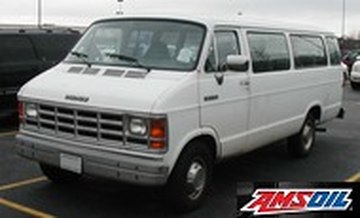
Engine Lubrication Maintenance for the 1981 Dodge Trucks B350 VAN 5.9L
Maintaining a large-displacement engine requires consistent attention to lubrication quality and system integrity. For owners of a 1981 Dodge Trucks B350 VAN equipped with the 5.9L engine, routine service is the most effective way to manage the mechanical health of the vehicle. Because these vehicles are often utilized for hauling or heavy-duty tasks, the engine operates under varying thermal and mechanical loads that make high-quality oil maintenance a priority.
Monitoring Fluid Integrity and Potential Leaks
One of the primary aspects of routine service is the visual inspection of the engine bay for any signs of fluid loss. Over time, various seals and gaskets may experience changes in their ability to contain fluids. When performing regular checks, it is useful to look for dark staining or wetness around sealing surfaces. If you notice fresh fluid accumulating on the underside of the engine or dripping onto the ground after the vehicle has been parked, this warrants a closer investigation.
It is important to distinguish between minor seepage and active leaks. A small amount of residue may be present due to age, but a steady drip or a significant loss in fluid levels indicates that a component requires attention. Additionally, checking the condition of any visible hoses or connections can help prevent unexpected issues. If any components appear cracked, excessively soft, or show signs of bulging, they should be evaluated for potential replacement before a failure occurs.
Observing Changes in Engine Performance and Lubricant Condition
The condition of the engine oil itself provides significant insight into how the 5.9L engine is operating. When checking the oil level using the dipstick, take a moment to observe the color and texture of the lubricant. While oil naturally darkens as it accumulates contaminants during use, an extremely thick or sludge-like consistency can be a sign that service intervals have been exceeded or that the engine is experiencing unusual thermal stress.
Beyond the appearance of the oil, owners should remain alert to any changes in how the vehicle operates. While many symptoms can have multiple underlying causes, certain observations should never be ignored:
- Unusual Noises: Any new mechanical sounds, such as tapping or knocking, may indicate that lubrication is not reaching critical components effectively.
- Exhaust Observations: Changes in the color of exhaust smoke can sometimes be associated with how the engine is managing its internal fluids.
- Warning Indicators: If the dashboard displays any alerts related to oil pressure or temperature, the vehicle should be inspected immediately to prevent mechanical damage.
Always remember that a single symptom does not provide a definitive diagnosis. For example, an unusual odor might indicate oil contacting a hot external surface rather than an internal engine issue. Professional diagnostic tools and inspections are often necessary to pinpoint the exact source of a problem.
Managing Long-Term Maintenance Priorities
As a vehicle from 1981 ages, maintenance strategies should shift from simple part replacement to a more comprehensive condition-based approach. Rather than following a rigid schedule based solely on years of ownership, it is more effective to prioritize tasks based on the actual state of the mechanical components.
If you are operating a vehicle with an incomplete service history, establishing a maintenance baseline is a logical first step. This involves performing a thorough inspection of all fluids, belts (if equipped), and electrical connections to determine the current "health" of the system. Once this baseline is established, you can better track how the vehicle responds to different service interventions. Keeping detailed records of every oil change, filter replacement, and repair will assist in identifying patterns—such as increasing fluid consumption or frequent component failures—that might otherwise go unnoticed.
Prioritizing active concerns, such as an existing leak or a worn belt, ensures that the most critical issues are addressed before they escalate. This proactive approach helps distinguish between necessary preventive maintenance and unnecessary parts replacement, allowing for more efficient vehicle ownership.
The Role of Lubrication in Engine Protection
Engine oil performs several vital roles that extend beyond simple lubrication. It acts as a medium for heat management, helping to carry thermal energy away from high-friction areas within the engine block. Furthermore, modern lubricants are engineered with additives designed to control deposits and oxidation, which helps keep internal surfaces clean.
Effective lubrication also assists in protecting the engine during cold starts. When an engine is first turned on, the lubricant must be able to circulate quickly to provide immediate protection to moving parts. Maintaining the correct oil quality ensures that the engine remains protected throughout its entire operating cycle, from the moment of ignition to high-temperature cruising.
Practical Steps for Effective Service
When performing your own maintenance or overseeing a technician's work, consistency is key. Ensure that all drain plugs and filter mounting areas are clean before installation to prevent debris from entering the system. If the vehicle is equipped with an oil filter, always inspect the old gasket to ensure it was removed properly; failing to do so can cause a "double gasket" leak, which is a common source of sudden fluid loss.
Additionally, if you notice that the engine requires more frequent oil top-offs than usual, this is a clear signal to investigate the system. Monitoring consumption rates over several months provides much better data than a single observation, helping you determine if the vehicle's lubrication needs are changing due to age or usage patterns.
Buying Engine Oil for your 1981 Dodge Trucks B350 VAN 5.9L
When it is time to replenish your engine's lubricant, the most important step is to match the product to the specific requirements of your engine. Do not rely on general automotive knowledge or assumptions based on the vehicle's age to select a grade. Instead, refer directly to the application-specific oil viscosity and requirements already displayed on this webpage.
When shopping for products, check the labels carefully to ensure they meet the appropriate API certifications. Depending on your specific needs and the current condition of your engine, you may encounter various formulations, including conventional, synthetic blends, or full synthetics. Some high-mileage oil formulations also contain additives intended for use in aging engines, which may include seal-conditioning agents. Always verify that the product you are purchasing aligns with the technical information provided in your vehicle's documentation and the data listed here on this page.